Cash Flow Forecast: Definition and Practical Tips (2026 Examples)
Master cash flow in 2026. Learn to build accurate forecasts, avoid Swiss tax pitfalls, and manage relocation costs in Lausanne. Stay liquid and in control.
A business can look incredibly profitable on paper and still go bankrupt by Tuesday. The reason? Poor cash timing.
In 2026, navigating tighter credit markets and rising Swiss operating costs means "guessing" your bank balance is no longer an option. Whether you are a local SME or an expat planning a relocation to Lausanne, a cash flow forecast is your financial early-warning system.
This guide from Fiduciaire Vaudoise breaks down how to build a forecast that actually works, with specific insights for the Swiss market.
What Is a Cash Flow Forecast?
A cash flow forecast is an estimate of the money expected to flow in and out of your business over a specific period.
Unlike a P&L (Profit and Loss) statement, which shows accounting profit, a forecast tracks liquid cash. It answers the only question that matters for survival: “Will I have enough money in the bank to pay my bills when they are due?”
A standard forecast tracks:
Cash Inflows: Customer payments, VAT refunds, and new funding.
Cash Outflows: Salaries, Swiss social security (AVS/LPP), rent, and supplier invoices.
Cash Flow Forecast vs. Cash Flow Projection
While often used interchangeably, they serve different strategic needs:
Feature
Cash Flow Forecast
Cash Flow Projection
Timeline
Short to medium term (weekly/monthly)
Long term (1–5 years)
Purpose
Daily operations & liquidity
Strategic planning & fundraising
Accuracy
High (based on known invoices)
Estimated (based on growth goals)
Timeline
Cash Flow ForecastShort to medium term (weekly/monthly)
Cash Flow ProjectionEstimated (based on growth goals)
Comparison between types of cash flow
How to Build Your Forecast in 4 Steps
To be effective in 2026, your forecast must be grounded in reality, not optimism.
Step 1. Identify Real Inflows (The "Cash-in-Hand" Rule)
The biggest mistake in forecasting is confusing sales with cash. If you sign a CHF 50,000 contract today, your "Revenue" goes up, but your "Cash" stays at zero until the bank transfer clears.
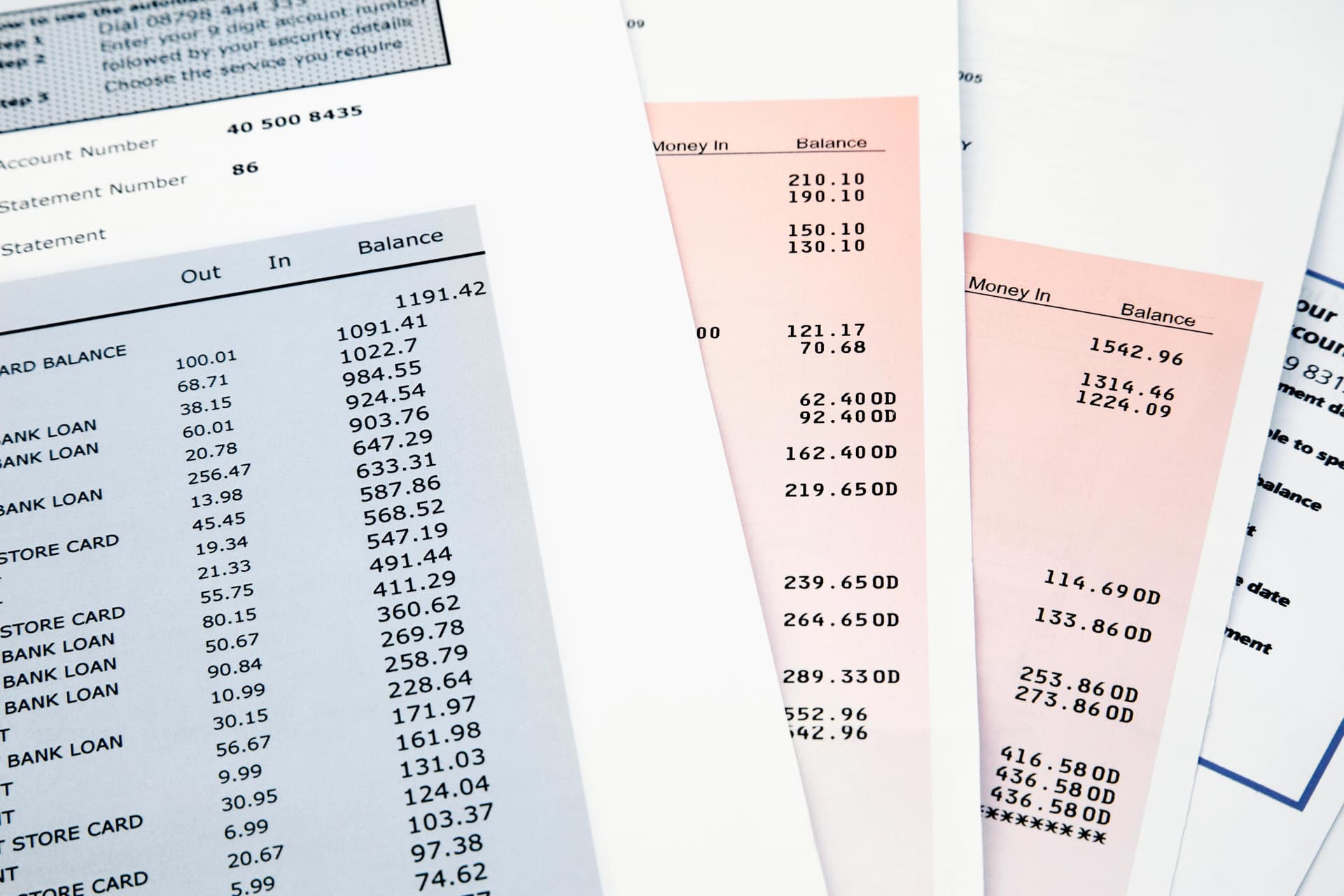
Analyze Historical Behavior: Don't look at the due date on your invoices; look at your bank statements. If a specific client consistently pays 15 days late, mark their future payments as 15 days late in your forecast.
Segment Your Inflow Types: Distinguish between operating cash (sales), investing cash (asset sales), and financing cash (loans). This helps you see if your business is actually self-sustaining or surviving on credit.
Bank statement
Step 2. Track Fixed and Variable Outflows
In the Swiss landscape, outflows are often rigid. You cannot "negotiate" your way out of social security contributions or VAT deadlines without heavy penalties.
The Swiss Specifics: Ensure you account for the 13th-month salary (usually paid in December) and quarterly LPP (Pension) contributions. These "hidden" spikes can wipe out a monthly surplus if not planned for.
Variable Buffers: With 2026’s fluctuating energy costs and supply chain shifts, add a 5-10% "volatility buffer" to your utility and shipping estimates. It is better to have an unexpected surplus than an unexpected debt.
Step 3. Focus on the "Timing Gap" (The Cash Conversion Cycle)
The "Timing Gap" is the silent killer of profitable companies. This is the period between when you pay for the resources to do the work and when the customer finally pays for the finished product.
Visualize the Bridge: If you have to pay a supplier in 30 days but your customer pays in 60, you need enough cash to "bridge" that 30-day gap.
Actionable Strategy: If the gap is widening, 2026 best practices suggest offering small "early payment discounts" (e.g., 2% off for payment within 10 days) to pull cash forward and close the gap.
Step 4. Run "What-If" Scenarios (Stress Testing)
A single "static" forecast is a guess. A "dynamic" forecast accounts for the unpredictable nature of the modern economy. Create three versions of your forecast:
Optimistic: Everything goes as planned; all clients pay on time.
Realistic: The most likely outcome based on your current data.
Pessimistic (The "Stress Test"): Your largest client leaves, or the Swiss Franc (CHF) fluctuates 5% against the Euro.
By running these scenarios, you can identify exactly when your bank balance might hit the "red zone," giving you months—rather than days—to secure a credit line or cut non-essential costs.
Short-Term Cash Flow Planning
Staying liquid week by week
Short-term planning focuses on immediate liquidity.
Many businesses use a 13-week cash flow forecast, updated weekly. This approach helps identify problems early and allows quick action, such as:
Delaying non-essential expenses
Renegotiating payment terms
Adjusting payroll timing
Short-term cash flow planning is especially useful for startups, seasonal businesses, and companies entering the Swiss market.
Pro Tips for the Swiss Market in 2026
Be Conservative: Underestimate revenue by 10% and overestimate costs by 10%. If the numbers still work, you’re safe.
Automate the Boring Parts: Use modern tools that sync directly with Swiss banks (like UBS, Credit Suisse, or BCGE) to get real-time data.
Watch the VAT: Swiss VAT cycles can create sudden, large outflows. Set this money aside in a sub-account as it's earned.
Cash Flow Risk Analysis
Spotting problems before they hit your bank account
Cash flow forecasting also helps identify risk.
Common cash flow risks include:
Late customer payments
Overreliance on a single client
Seasonal revenue fluctuations
Currency exposure (CHF vs EUR or USD)
Unexpected tax adjustments
Following internationally recognised principles, such as the OECD’s guidance on SME liquidity management best practices, helps businesses strengthen financial resilience.
Managing Risk and Working Capital
A rolling cash flow forecast—one that adds a new month as the current one ends—is now the gold standard. This keeps you agile.
By monitoring your Working Capital (the difference between current assets and liabilities), you can spot risks like:
Over-reliance on a single high-volume client.
Currency exposure if you deal with international partners in EUR or USD.
The Reality: If CHF 50,000 of that inflow is delayed by three weeks, but your CHF 40,000 payroll is due this Friday, you have a liquidity crisis despite being "profitable." This is why timing is everything.
Cash Flow Management Tools in 2026
Many small businesses still rely on spreadsheets, which can work if updated regularly.
Modern cash flow management tools now integrate with:
Bank accounts
Accounting software
Invoicing systems
For Swiss businesses, compatibility with local banks and accounting standards is essential when choosing a tool.
Why Switzerland Requires a Specific Approach
Operating in Switzerland involves high fixed costs and strict regulatory deadlines. Whether it's managing pension contributions or navigating the high cost of living in Lausanne, local expertise is vital.
Banks and fiduciaries in 2026 expect a clear, professional liquidity plan before they even consider financing requests.
Who should prioritize forecasting?
SMEs & Startups: To manage growth without running out of runway.
Freelancers: To smooth out seasonal income "lumps."
Expats: To manage the high cost of living in this country while working or studying.
Common Cash Flow Forecasting Mistakes
Mistake
Consequence
2026 Best Practice
Overestimating Revenue
Spending money you don't have.
Use a "Worst-Case" scenario baseline.
Ignoring Delays
Missing payroll despite "high sales."
Use actual historical payment dates.
Forgetting Taxes
Unexpected legal/financial penalties.
Automate a 15-25% tax "holdback."
Static Forecasting
Making decisions on old data.
Update weekly (The 13-week Rule).
Overestimating Revenue
ConsequenceSpending money you don't have.
2026 Best PracticeUse a "Worst-Case" scenario baseline.
Ignoring Delays
ConsequenceMissing payroll despite "high sales."
2026 Best PracticeUse actual historical payment dates.
Forgetting Taxes
ConsequenceUnexpected legal/financial penalties.
2026 Best PracticeAutomate a 15-25% tax "holdback."
Static Forecasting
ConsequenceMaking decisions on old data.
2026 Best PracticeUpdate weekly (The 13-week Rule).
Summary of Mistakes and Corrections
Need help with cash flow forecasting?
From individuals to SMEs and corporates, Fiduciare Vaudoise offers you strategic advice. It helps you fix your financial issues and make informed decisions.
FAQ
Its primary goal is to provide a pre-emptive view of your bank balance. In 2026, a forecast is your best defense against "The Profitability Trap"—where a business appears successful on an invoice basis but fails because it cannot meet immediate obligations like the 13th-month salary or Swiss social security contributions. It allows you to time your investments (like new equipment or office space) for when you actually have the liquid capital.
The Bottom Line: Preparation is Power
A cash flow forecast isn't about predicting the future perfectly; it's about making sure the future doesn't catch you off guard. It gives you the confidence to hire, invest, or pivot when the timing is right.
In a shifting economy, staying informed is your best asset. For more expert insights on navigating Swiss tax laws, 2026 salary regulations, and fiduciary best practices, explore our latest blogs.